When the River Borrows a Body
There are moments when a river seems to forget it is only water.
Light breaks across the surface, stones disappear beneath moving reflections, and the human body loses the certainty of where it begins and where the landscape ends.
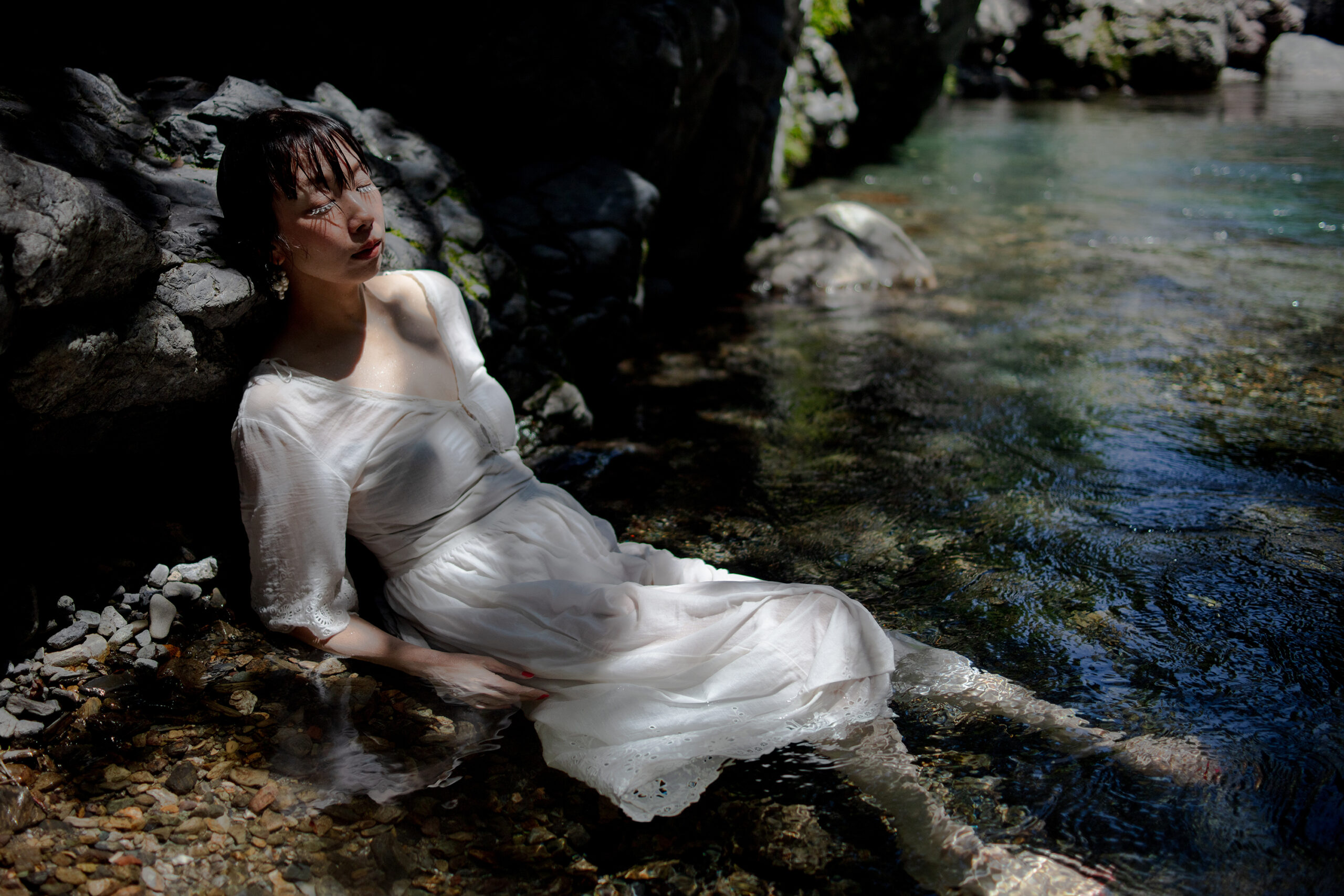
This photograph was made during one of those quiet moments.
The woman resting at the river’s edge is not presented as a subject to admire, nor as the protagonist of a narrative. Instead, she becomes another element within the ecosystem of light, rock, current, and shadow. Her white dress gathers the sunlight while the flowing water slowly dissolves the outline of her body.
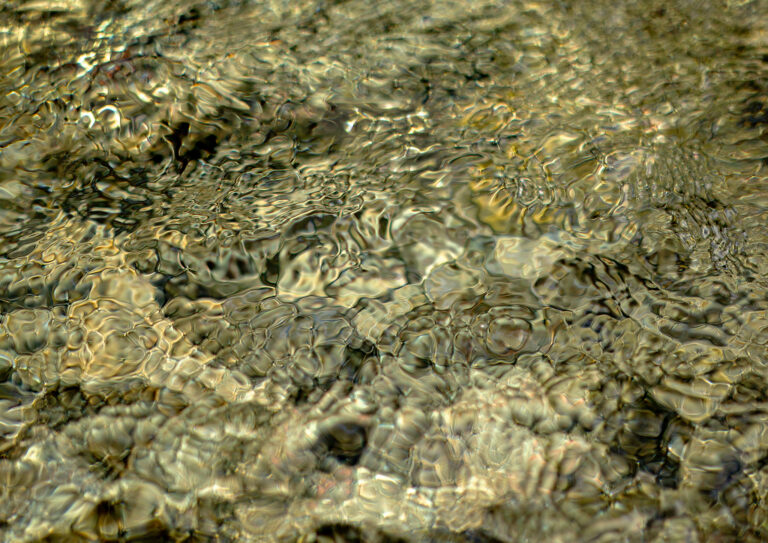
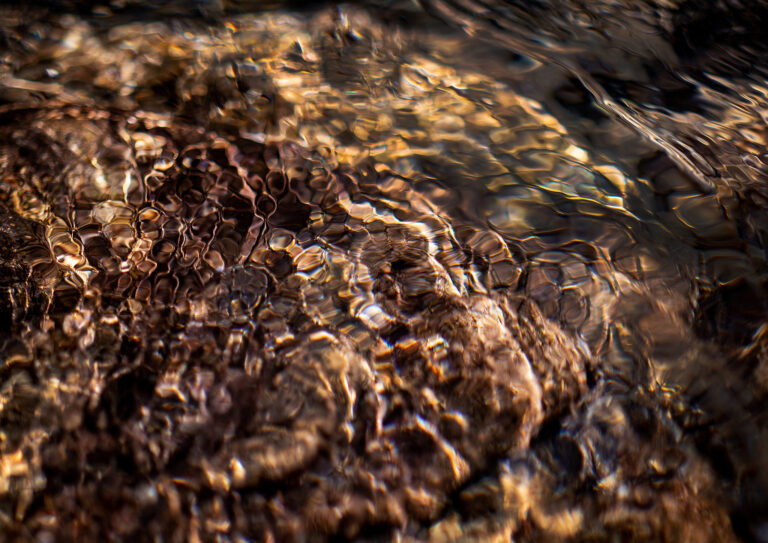
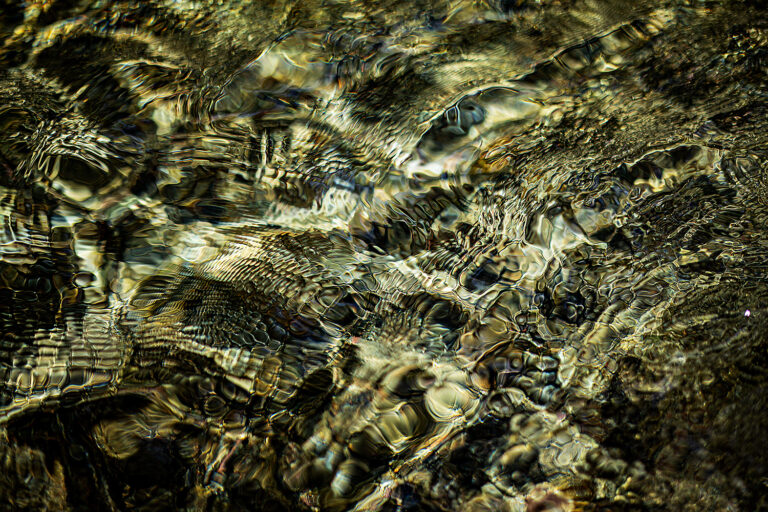
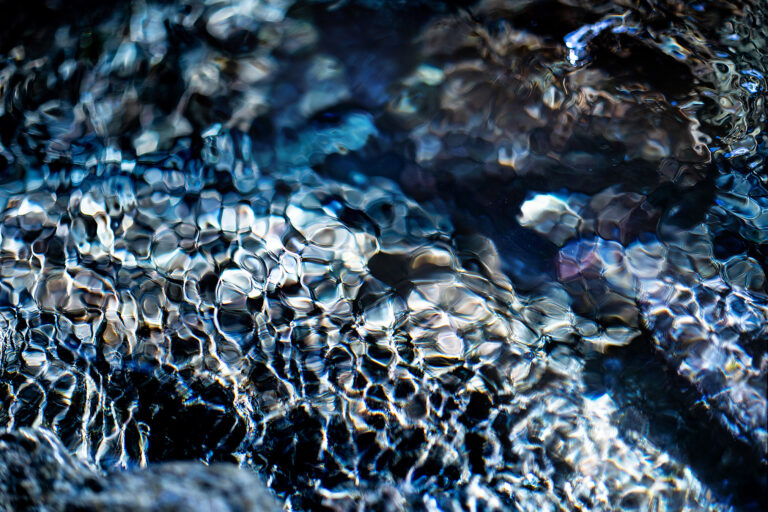
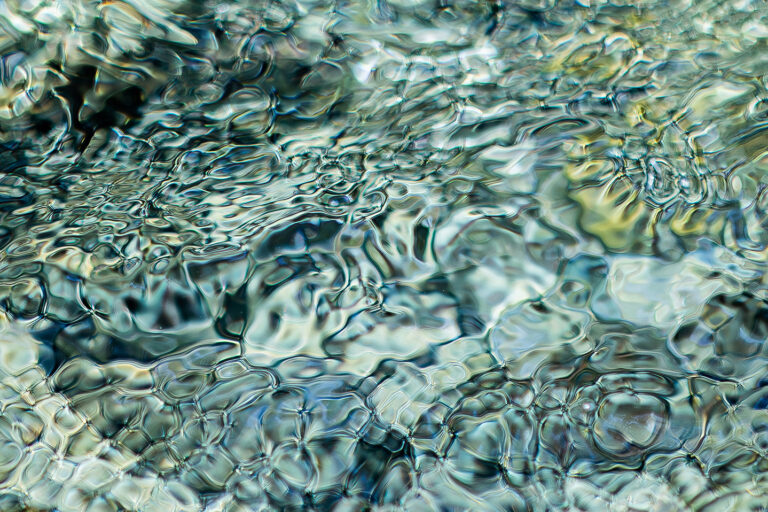
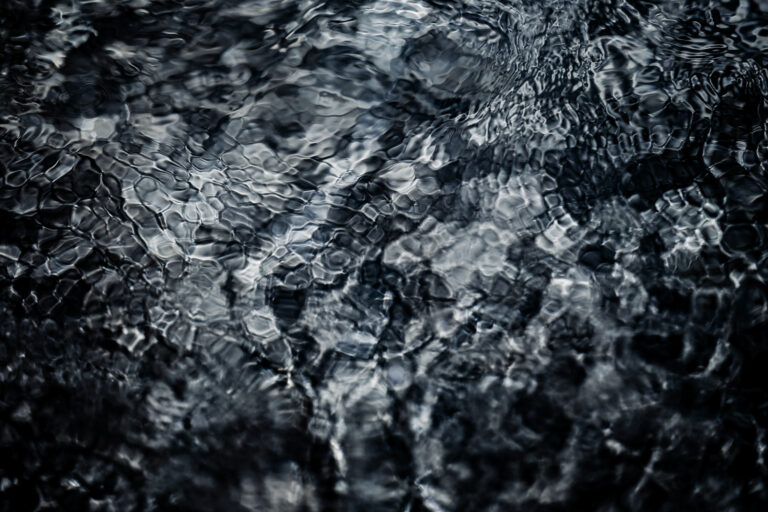
Water has a remarkable ability to erase boundaries.
It softens reflections, bends light, hides depth, and constantly redraws the visible world. The body, usually the most recognizable form in a photograph, becomes unstable when submerged. Flesh becomes texture. Fabric becomes current. Identity becomes atmosphere.
Perhaps this is why rivers have appeared throughout mythology as places of transformation—not because they possess magical powers, but because they change the way we perceive ourselves.
The camera does not simply record a person beside a stream.
It records a fleeting negotiation between permanence and movement.
The rocks have waited for centuries.
The current exists only for an instant.
The human body belongs to neither.
For a brief moment, all three occupy the same frame before time separates them once again.
That fragile balance is what continues to draw me back to water.
Every photograph is different, even when made in the same place, because water never repeats itself. It is always rewriting the world—and anyone willing to step inside it.